
Aircraft capacity
ACMI and
wet lease
Flexible King Air B200 capacity for operators, brokers, corporates and government clients needing short, medium or longer-term aviation support.
The problem
Capacity without
ownership
Accessing additional aircraft capacity can be difficult, especially when demand changes quickly or an existing aircraft is unavailable.
We support clients who need reliable availability without the cost, delay or commitment of acquiring and operating their own aircraft — additional lift, contract support, overflow capacity or temporary fleet replacement.
Suited to
Where B200 capacity earns its keep
- FIFO and resource sector operations
- Regional passenger movements
- Government and essential service support
- Crew transfers and remote-area access
- Contract flying and aircraft downtime cover
- Operator overflow and short-sector, multi-leg operations
ACMI
Aircraft, crew,
maintenance, insurance
Under an ACMI arrangement we provide aircraft capacity together with crew, maintenance and insurance support — so clients access operational capacity without managing ownership, crew resourcing, maintenance coordination or insurance directly.
The detail
What you are actually buying
ACMI, wet, damp and dry
The terms get used loosely, and the difference decides who carries what. ACMI means the aircraft comes with crew, maintenance and insurance, priced by the block hour against a minimum. A wet lease is the same arrangement under a different name. A damp lease usually means aircraft and flight crew with cabin crew supplied by you, which rarely applies on a nine-seat turboprop. A dry lease is the aircraft on its own, with you providing crew, maintenance and insurance. Most people who ask us for a wet lease want ACMI, and most who ask for a dry lease have not yet costed the crew and maintenance side. We will tell you which one your situation actually calls for.
Who holds operational control
This is the question that decides your exposure, and it is worth settling before rate. Under an ACMI or wet arrangement the operator keeps operational control — the decision to depart, divert, hold or cancel sits with the crew and the operator, not with you. Every flight is conducted under an Air Operator’s Certificate. Under a dry lease, operational control passes to you, along with the obligations that come with it. If your insurer or your board has asked who is responsible, this is the distinction they are asking about.
What is in the number
Aircraft, flight crew, scheduled and unscheduled maintenance, hull and liability insurance, and the operator’s certification and oversight. Positioning to and from your operating area is quoted separately, and on a short engagement it can be a material share of the total — worth asking about at the start rather than finding it at the end.
What is not
Depending on the structure: fuel, landing and parking, navigation charges, crew accommodation and allowances away from base, and any ground handling you want at the remote end. None of that is unusual and all of it is quotable up front. We would rather give you a complete number than a low one you have to revise.
How capacity gets held
Holding an aircraft for you means not selling those days to anyone else, and terms reflect that. Short engagements carry a minimum daily or block-hour commitment. Longer arrangements trade a lower rate against a firm term and notice period. Cover for an aircraft out of service — where you want us available rather than allocated — works differently again, and is far better set up before you need it than on the morning you do.
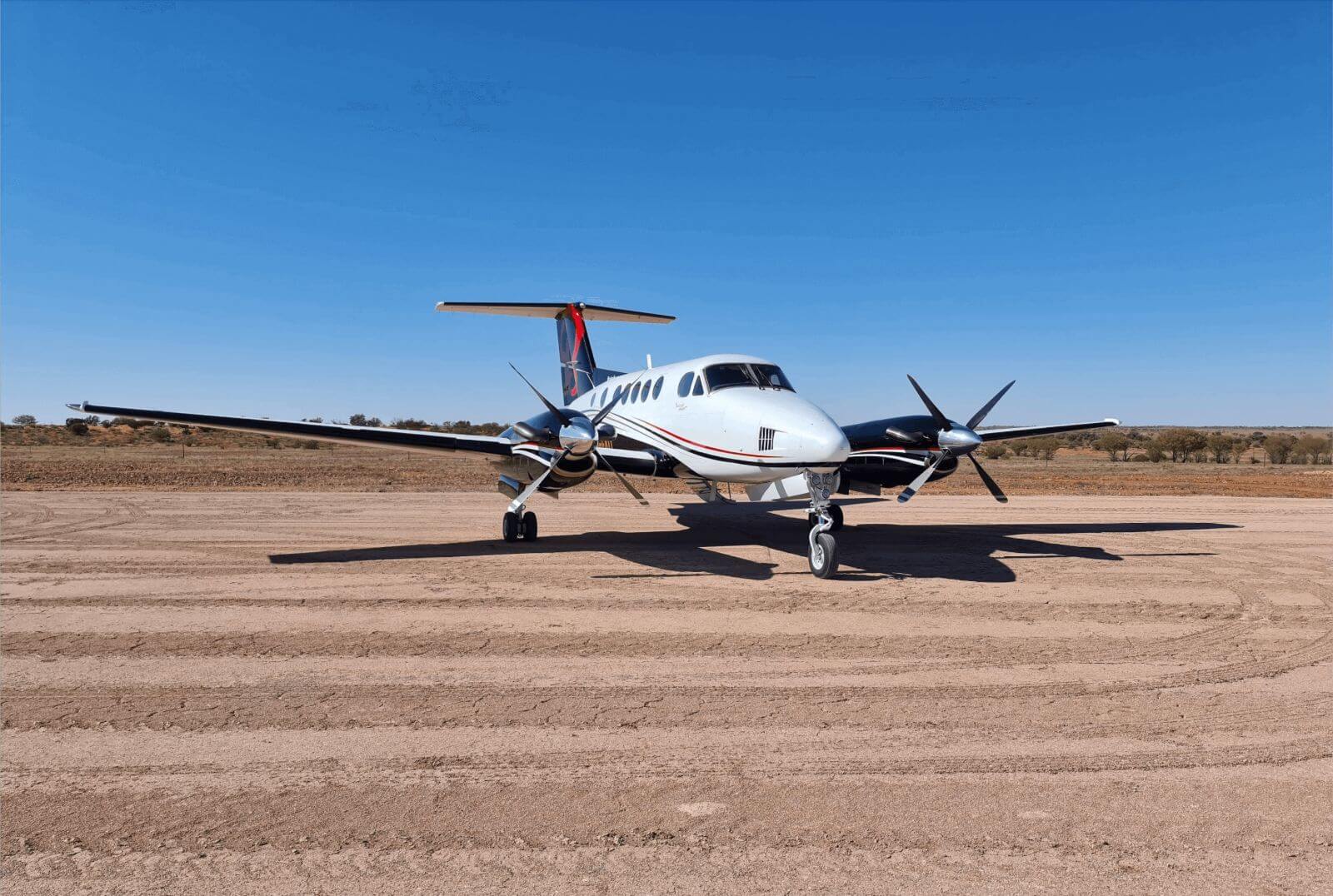
Capacity held against a programme rather than sold by the flight.
What to send us
Capability required, dates, sectors or operating area, expected block hours and the term. If it is cover for an aircraft that is down, say so and tell us when it is due back — that changes what we can offer and how fast. We come back with availability, a rate basis, and a clear line between what is in the number and what is not.
Enquiries
Tell us what you need covered
Type, dates, sectors and duration. We’ll come back with availability and a rate basis.